
Trade shows can be one of the biggest marketing and sales investments industrial companies make all year. Between booth space, equipment transportation, travel, hotels, staffing, signage, marketing and sponsorships, even a relatively modest show can quickly become a significant expense.
The question is: What are you getting back from that investment?
Whether you have a 10-by-10 booth or a massive exhibit, maximizing trade show ROI requires more than showing up, scanning badges and hoping opportunities materialize afterward. You need clear revenue goals, a structured approach to trade show lead generation, accurate lead tracking and a disciplined trade show follow-up strategy.
Here’s how to build that system before your next show.
What Is Trade Show ROI?
Trade show ROI measures the financial return generated by participating in a trade show compared with the total cost of attending and exhibiting.
A simple way to calculate trade show ROI is:
Trade Show ROI = (Revenue Attributed to the Show – Total Show Cost) ÷ Total Show Cost × 100
For example, if your company spends $100,000 on a trade show and eventually attributes $500,000 in revenue to opportunities generated at that event, your return is substantially different from a company that spends the same amount without tracking a single opportunity to closed business.
However, measuring trade show ROI isn’t always immediate, especially in industrial and B2B markets with complex, high-ticket products and long sales cycles. An opportunity generated at a fall trade show might not close for four, six, 12 or even 24 months.
That makes consistent CRM tracking critical. You need to know where opportunities originated long after everyone has packed up the booth and gone home.
Start With Trade Show Revenue and Lead Goals
A successful trade show strategy starts before anyone steps onto the show floor.
Marketing and sales should agree on what success actually looks like. That means defining the revenue you expect the show to generate and working backward to determine the number of deals and leads required to reach that target.
Suppose your total investment in a show is $100,000. If your organization decides the event needs to influence $5 million in revenue to justify that investment, start with your historical sales data
Determine:
- How much revenue should the show generate?
- How many closed deals are required to reach that revenue target?
- What percentage of qualified opportunities typically close?
- How many qualified opportunities do you therefore need?
- How many total leads are required to generate those opportunities?
Past trade show performance can provide a useful baseline. Look at how many leads you generated from previous events, how many became legitimate sales opportunities, how many eventually closed and how much revenue those customers produced.
The objective isn’t to predict an exact number of leads. It’s to establish a realistic threshold that tells your marketing and sales teams whether the show is producing enough pipeline to justify the investment.
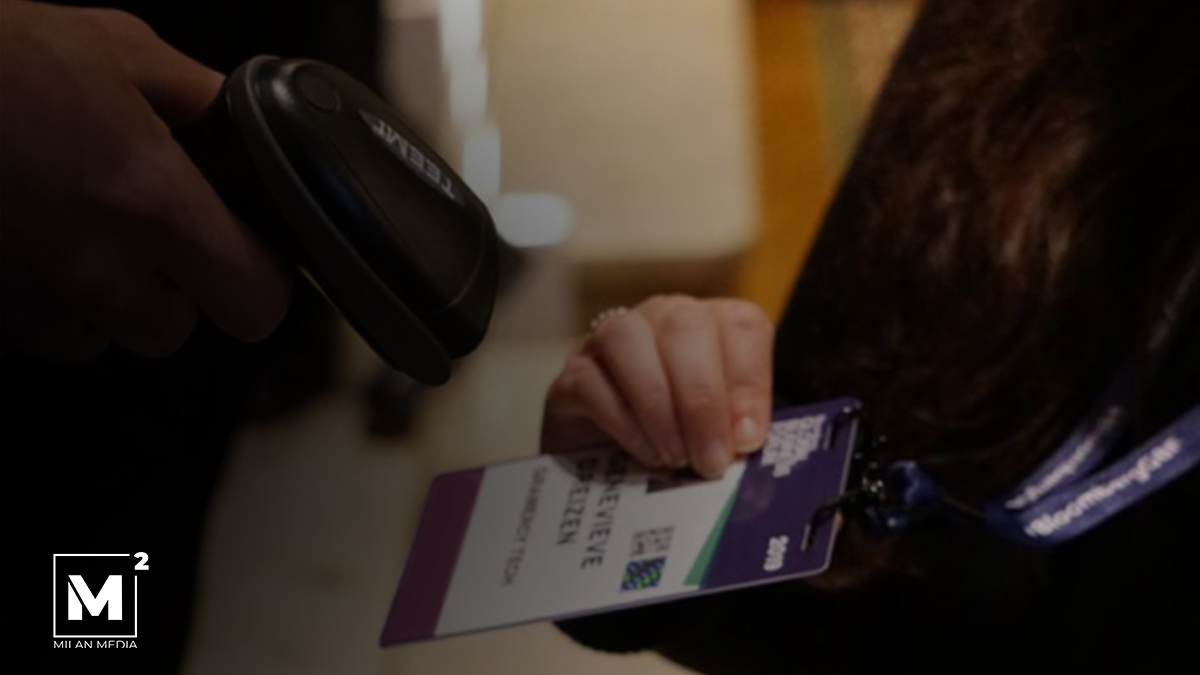
Qualify Leads Instead of Simply Counting Them
Generating 100 badge scans doesn’t necessarily mean you generated 100 leads.
Effective trade show lead generation requires distinguishing between someone casually browsing the show floor and a prospect actively searching for a solution.
Before the event, establish a simple lead qualification system your entire booth team understands. For example:
A leads: Active buyers looking for a solution now.
B leads: Qualified prospects expecting to make a decision in the near future.
C leads: Relevant prospects with a longer-term need.
D leads: Early-stage contacts who are primarily gathering information.
The exact categories and timelines should reflect your company’s typical sales cycle.
Then work your targets backward again. If your goal is 100 leads, how many need to be A-level opportunities? How many B leads do you need? How many longer-term prospects would make the show successful?
This gives the team something much more meaningful to pursue than raw badge scans.
Customize Your Trade Show Lead Capture Process
Once you’ve established what constitutes a qualified lead, make sure your lead retrieval system captures the information sales will actually need.
Scanning a badge and entering an unstructured note isn’t enough.
At minimum, your lead capture process should record:
- Lead quality or qualification level
- Product or service interest
- Agreed-upon next step
- Relevant conversation notes
- Contact or lead owner
- Territory or location when applicable
If additional information such as timeline, pain points or purchasing authority is essential to your sales process, add those fields as well.
Most trade show lead retrieval platforms allow exhibitors to customize qualification questions and fields. Set these up before the event so your booth staff can capture information quickly without interrupting the conversation.
The goal is to make qualification almost effortless: have the conversation, identify the opportunity, scan the badge, select the appropriate fields and record any important context.
Connect Trade Show Leads Directly to Your CRM
Capturing information only helps if your team can use it.
Before the show, make sure fields in your lead retrieval platform map cleanly to your CRM. If “Trade Show Lead Quality” contains A, B, C and D classifications in the event platform, for example, create the corresponding property in your CRM.
This allows contacts to flow into the system without your marketing or sales team having to decipher handwritten notes or rebuild records after the event.
Don’t wait until the show is over to start importing leads, either.
Ideally, contacts should enter your CRM daily. That allows management to monitor performance throughout the show and gives sales immediate visibility into the opportunities being generated. By day two or three, you should already have a sense of whether you’re on pace to hit your targets.
Improve Trade Show Lead Generation Before the Show Starts
Some of your best trade show conversations can be scheduled before the doors ever open.
Start your pre-show outreach approximately eight to 10 weeks before the event when possible. Review your CRM and identify previous show leads, open opportunities, prospects in the area, target accounts and contacts who are likely to attend.
Then reach them through multiple channels.
Email them. Call high-priority prospects. Connect on LinkedIn. Let existing website visitors know you’ll be exhibiting. For strategic accounts, consider scheduling a booth meeting, coffee, drinks or dinner before everyone’s calendars fill up.
Previous trade show leads that went cold are especially valuable. A prospect who wasn’t ready last year may have an entirely different set of priorities today.
Your salespeople can also set individual prospecting goals. Having each salesperson personally contact a small number of high-value prospects every week leading up to the event creates significantly more opportunities for meaningful conversations once the show begins.

Use Your Website to Promote Your Trade Show Presence
Your website already has an audience, so use it.
Create a dedicated event landing page explaining where you’ll be, what visitors can see at your booth and how they can schedule a conversation.
Then direct existing website traffic to that page through relevant banners, calls to action or pop-ups.
The visitor is already interacting with your company. If they’re attending the same industry event, giving them a simple way to schedule a meeting can turn existing website traffic into another source of trade show lead generation.
Turn Booth Traffic Into Qualified Opportunities
A strong booth doesn’t passively wait for prospects.
Your sales team should actively engage attendees, uncover problems and determine whether your company has a relevant solution. The objective isn’t simply to get as many people as possible into the booth. It’s to create productive conversations with potential customers and accurately capture what should happen next.
Everyone working the booth should understand the expectations before the event begins.
When a valuable prospect walks away, your CRM shouldn’t simply say, “Met at trade show.” It should tell the salesperson who follows up what the prospect needs, what they discussed, how urgent the opportunity is and what was promised next.
That information becomes especially important when the salesperson responsible for the account isn’t the person who originally had the booth conversation.
Build Your Trade Show Follow-Up Strategy Before the Event
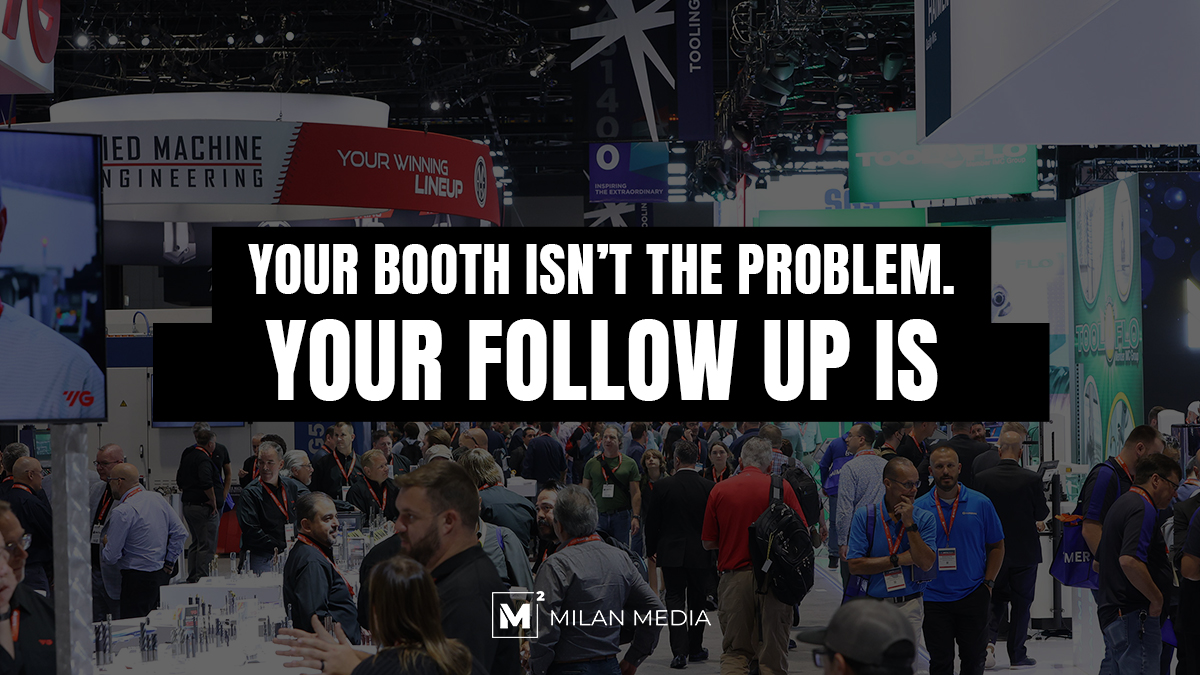
The biggest breakdown often happens after the show.
Companies spend thousands, or hundreds of thousands, of dollars generating attention and leads, only to let those opportunities disappear once everyone gets home.
Your trade show follow-up strategy should be established before the event starts.
Whenever possible, define the next step during the initial booth conversation. Instead of ending with “We’ll follow up,” ask whether you can reconnect on a specific day the following week.
Record that commitment immediately.
After each day of the show, make sure leads are entered into the CRM, notes are complete and ownership is assigned. For high-value conversations, connecting on LinkedIn that same evening can also help while the interaction is still fresh in the prospect’s mind.
Prioritize Personal Follow-Up With Your Best Leads
Not every trade show contact should receive the same follow-up.
High-priority A and B leads, and potentially qualified C leads, depending on your sales cycle, deserve direct attention from sales.
Establish expectations for how quickly representatives need to make contact after the show.
Depending on the opportunity, that could include:
- A personalized email
- A phone call
- A LinkedIn connection
- A scheduled sales meeting
- Requested product or service information
Lower-priority contacts can enter an appropriate marketing automation or nurture campaign so your brand remains visible until their needs change.
The important part is that every lead has a defined next step.
Don’t Give Up When Trade Show Leads Go Cold
Even strong trade show leads can disappear.
Priorities change. Budgets get delayed. Projects get pushed back. Contacts get overwhelmed after returning to the office. A prospect who seemed ready to move forward at the show might suddenly stop responding.
That doesn’t automatically mean the opportunity is dead.
Continue nurturing relevant prospects through your CRM. Schedule future follow-up tasks for three, six or nine months later when appropriate. Reach back out before the next industry event. And consider building relationships with additional decision-makers and influencers inside the account instead of relying entirely on one contact.
Consistent follow-up turns a trade show from a few days of activity into a long-term pipeline-building opportunity.
How to Measure Trade Show ROI After the Event
Understanding how to measure trade show ROI requires looking beyond the number of badges scanned.
Track the show from initial conversations all the way through closed revenue. Your post-show scorecard should include metrics such as total event investment, total leads, qualified leads by category, sales opportunities created, pipeline value, closed deals and revenue attributed to the event.
You can also monitor conversion rates between each stage:
Trade show leads → Qualified leads → Opportunities → Closed deals → Revenue
Review results at multiple intervals rather than immediately declaring the show successful or unsuccessful.
For companies with longer sales cycles, evaluate performance at 30, 90, 180 and 365 days—or at intervals that align with your typical buying cycle. A show that appears unprofitable after 30 days could ultimately generate substantial revenue over the following year.
Just as importantly, feed those results back into next year’s planning. Historical conversion rates make it much easier to establish realistic lead, opportunity and revenue goals for future shows.
Make Every Trade Show Investment Accountable
Maximizing trade show ROI isn’t about having the biggest booth or collecting the most badge scans. It’s about building a measurable process that connects your investment to qualified opportunities and, ultimately, revenue.
Set your goals before the show. Define what a qualified lead looks like. Customize your lead capture process. Map everything into your CRM. Market aggressively before the event. Give sales clear follow-up expectations. Then continue tracking opportunities long enough to understand the show’s true impact.
When marketing and sales operate from the same system, trade shows become much easier to evaluate, and improve.
Need help building a trade show marketing strategy that generates more than booth traffic? Milan Media helps industrial and B2B companies connect marketing, lead generation, CRM strategy and sales follow-up so trade show investments can create measurable pipeline and revenue.