
We recently watched an industrial company lose a six-figure deal. Not because the solution was wrong, but because follow-up stopped while the competition stayed aggressive.
With a different approach, that deal could have been won—which is why we’ve put together this list.
Below are five non-negotiable sales prospecting techniques every B2B and industrial sales team must master to protect the pipeline, shorten sales cycles, and close more deals.
1. A Real Follow-Up System (Not "Checking In")
Following up once or twice is not a system. If you stop after a couple of “Just checking in” messages, you may as well have dropped off the face of the earth in your prospect’s mind.
A real follow-up process is built into the sales conversation before a proposal is ever sent. That means clearly defining:
- The next step
- When pricing will be reviewed
- Who is involved in the decision
When expectations are set upfront, following up 5,10, or even 20 times can actually feel professional rather than pushy.
If you audit any CRM and filter for deals with no activity in the last 30–45 days, you’ll find massive untapped revenue.
Most stalled industrial deals aren’t lost. They’re neglected. It’s up to you to pick them back up and give them the attention they deserve.
2. Speed Is An Advantage
Speed wins deals, especially in industrial sales.
When a prospect reaches out, they’re not contacting just one vendor. They’re comparing multiple suppliers. The companies that respond first start building trust first.
You don’t need to respond in minutes, but if inbound leads aren’t contacted within the same business day, close rates drop fast.
Fast response signals:
- Professionalism
- Urgency
- Reliability
Slow response quietly removes you from consideration… especially if your competition has already made the first move.
The right tools make it easy. Find out which CRM is built to help you stay focused on every lead.
3. Discovery Must Quantify Pain
Industrial buyers don’t care about features. They care about downtime, scrap, safety, throughput, and cost.
Strong discovery means:
- You talk less
- They talk more
- Pain is quantified in time and dollars
If pain isn’t clearly defined early, pricing conversations always turn into discount conversations.
The most effective sales closing techniques anchor every objection back to the pain the buyer already admitted was a priority.
4. Sell The Cake, Not The Ingredients
Specs don’t close deals. Outcomes do.
When salespeople over-explain equipment, processes, or line-item pricing, they invite pushback and stall momentum. Instead:
- Sell the solution
- Tie it directly to the pain
- Present ROI and timelines
When you sell outcomes instead of components, buyers focus less on price and more on value.
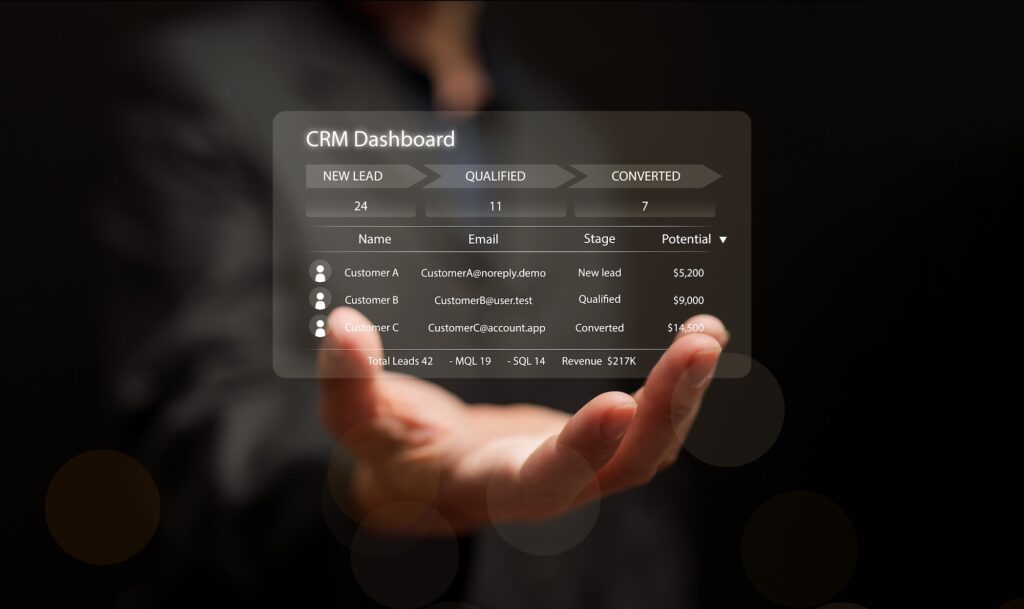
5. If It's Not In The CRM, It Didn't Happen
Your CRM is the foundation of predictable growth. Read: not optional.
Without clean CRM data, you can’t:
- Identify pipeline gaps
- Measure performance
- Improve sales prospecting techniques
Calls, emails, meetings, notes, and deal stages must be logged. When CRM discipline is enforced, decisions are made with data instead of opinions.
Your CRM holds untapped potential. We help you make the most of it.
Why Your Sales Prospecting Technique Matters In 2026
Industrial buyers are more informed and more selective than ever. Sales teams relying on outdated habits will continue losing deals they should have won.
Teams that implement these B2B sales techniques can:
- Recover stalled pipeline
- Shorten sales cycles
- Increase close rates without lowering prices
Effort isn’t what separates top performers. Execution is.
FAQs
What are the most effective sales prospecting techniques for B2B sales?
The most effective sales prospecting techniques include building a structured follow-up system, responding to inbound leads quickly, conducting discovery that quantifies financial pain, selling outcomes instead of product features, and maintaining strict CRM discipline. These B2B sales techniques help shorten sales cycles and increase close rates.
Why do industrial sales deals stall after proposals are sent?
Industrial sales deals often stall because expectations and next steps weren’t clearly defined before sending pricing. Weak follow-up, lack of quantified pain, and slow response times also cause deals to lose momentum. A consistent follow-up process and strong discovery reduce stalled opportunities.
How fast should sales reps respond to inbound leads?
Sales reps should respond within the same business day at minimum. Faster response times increase trust, improve engagement, and significantly boost close rates—especially in competitive industrial markets.
How does a CRM improve sales closing techniques?
A CRM improves sales closing techniques by tracking deal activity, highlighting stalled opportunities, and providing data-driven insights into pipeline performance. When sales teams log calls, meetings, and follow-ups consistently, they gain visibility that leads to more predictable revenue growth.