
If your team is sending quote after quote but struggling to close business, the issue usually is not pricing. In many cases, the real problem is the sales process surrounding the quote itself.
A weak quote follow up email, unclear communication, poor timing, or lack of trust can destroy a deal before a buyer ever responds.
Improving your process around closing sales quotes can dramatically increase your sales conversion rate without lowering prices or increasing lead volume.
Here’s what sales teams need to fix to turn more quotes into revenue.
What’s a Good Sales Conversion Rate?
Most businesses should aim for a sales conversion rate somewhere between 25% and 40%, depending on the industry and deal size.
If your conversion rate is consistently below that range, there are likely breakdowns happening after the quote is delivered.
The good news is that most of these issues are fixable.
The biggest areas that impact closing sales quotes are speed, clarity, trust, follow-up, and next-step management. When these five areas work together, quotes stop stalling and start converting into closed revenue.

1. Speed Matters When Closing Sales Quotes
One of the fastest ways to lose momentum in the sales process is waiting too long to send pricing. When a prospect asks for a quote, they are usually already comparing options, evaluating vendors, and trying to make a decision.
Sending pricing quickly demonstrates responsiveness, organization, professionalism, and reliability. A same-day or next-day turnaround often creates a stronger first impression than a delayed response.
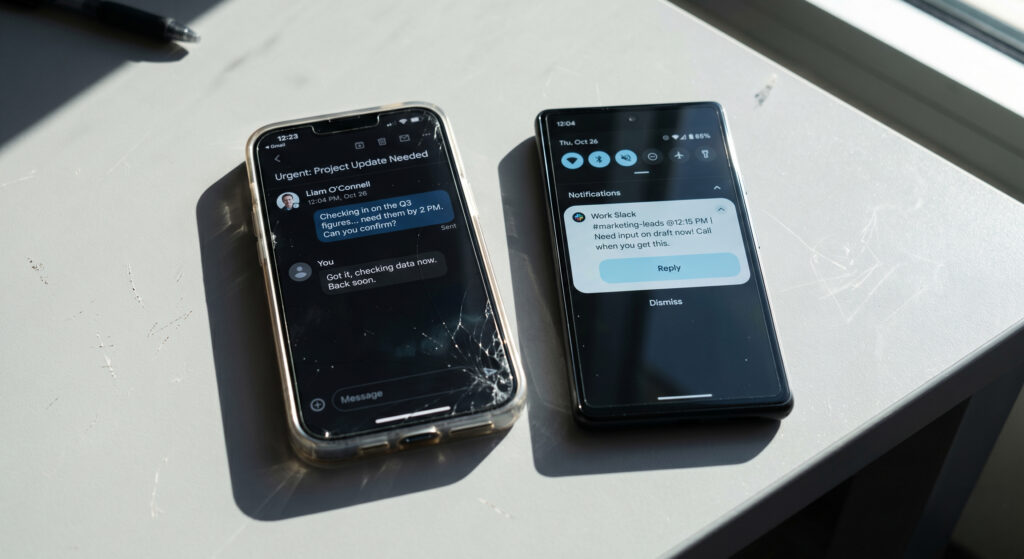
However, quoting too quickly can also hurt your sales conversion rate.
If you send pricing before fully understanding the customer’s needs, your quote may feel generic or incomplete. Buyers can immediately tell when a quote lacks personalization.
Before quoting, make sure you have:
- Identified the customer’s actual problem
- Asked discovery questions
- Understood timeline and budget expectations
- Clarified decision-making authority
- Positioned the correct solution
The goal is not to send more quotes. The goal is to send better quotes to more qualified opportunities so your team has a stronger chance of turning them into closed revenue.
2. Clear Quotes Help Build Trust in Sales
Confusing quotes kill deals.
If a buyer opens your proposal and struggles to understand pricing, deliverables, timelines, or next steps, trust immediately starts to disappear.
Strong sales quotes should clearly communicate:
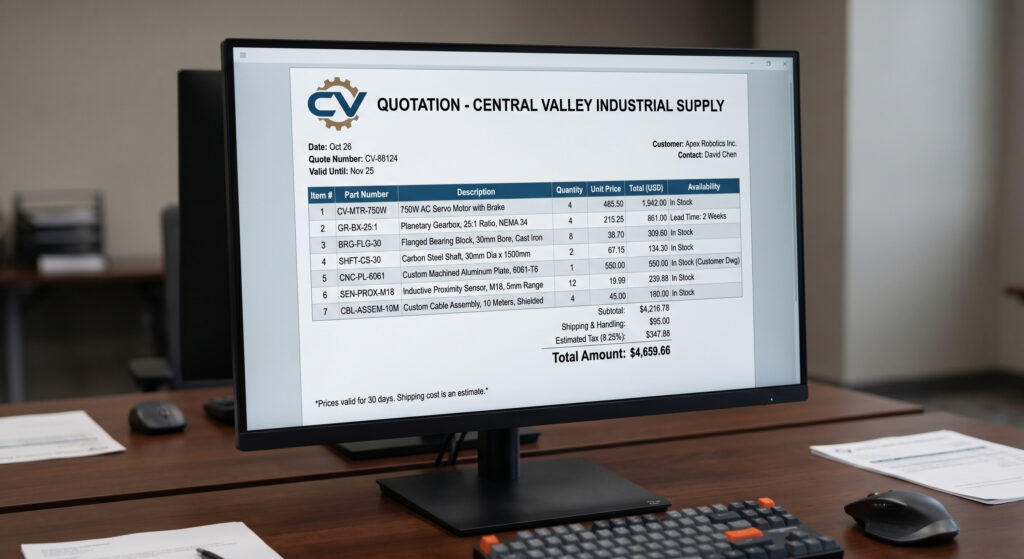
The Problem
Show the prospect you understand their challenge.
The Solution
Explain exactly what you are providing and why it solves the issue.
Pricing
Keep pricing easy to understand without unnecessary complexity.
Timeline
Outline implementation or delivery expectations clearly.
Terms
Include payment terms and important expectations upfront.
When prospects compare vendors, clarity becomes a competitive advantage.
If your competitors explain things better, buyers naturally feel more comfortable moving forward with them.
This is one of the simplest ways to build trust in sales conversations.
3. Trust Is the Foundation of Every Closed Deal
Trust is the single biggest factor in closing sales quotes successfully. Without trust, even the best pricing or proposal will struggle to convert.
Buyers need confidence that you understand their needs, can deliver results, your company is reliable, and that you will support them after the sale.
The easiest way to build trust in sales is by demonstrating that you listened carefully during the discovery process. Your quote should reflect the exact concerns, goals, and priorities discussed in previous conversations.

You can strengthen trust further by including:
- Client testimonials
- Case studies
- Reviews
- Relevant project examples
- Industry experience
- Social proof reduces buyer risk and helps prospects feel more confident making a decision.
When buyers see that you understand their problem and have helped others solve similar challenges, the decision feels less risky. That confidence can be the difference between a quote that stalls and a quote that closes.
4. Most Deals Are Lost During Follow-Up
A poor quote follow up email strategy is one of the biggest reasons deals stall.
Many salespeople send a proposal and then rely on generic follow-up messages like:
Hi Bob,
Just checking to see if you had a chance to review the quote I sent over.
Let me know if you have any questions.
Thanks,
[Your Name]

This type of follow-up creates very little urgency or direction.
Instead, successful sales teams schedule the next conversation before the quote is ever sent.
For example:
- “When will your team review this internally?”
- “Can we schedule time next week to review the proposal together?”
- “What does your approval process look like?”
This approach creates accountability and keeps the deal moving forward.
A strong quote follow up email strategy should always include a clear next step, a scheduled review meeting, defined timelines, and a discussion around the buyer’s decision-making process.
Following up becomes dramatically easier when expectations are established upfront.
5. Control the Sales Timeline Early
One of the biggest mistakes in sales is assuming the buyer’s timeline instead of asking directly.
If a prospect plans to decide in three months but your team assumes they will decide in one week, unnecessary pressure and awkward follow-ups begin quickly.
Instead, ask questions like:
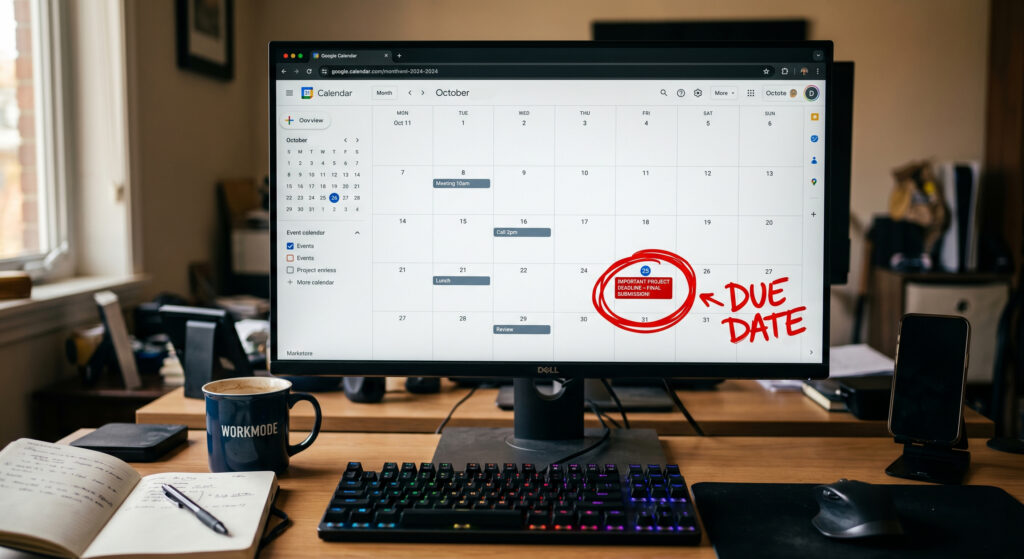
- “When do you expect to make a final decision?”
- “Who else is involved in the approval process?”
- “What are the next internal steps on your side?”
Understanding the timeline allows your follow-up process to feel helpful rather than pushy.
It also improves forecasting accuracy and helps leadership trust pipeline reporting.
When sales reps fail to define timelines clearly, opportunities remain stuck in the pipeline far longer than expected.
How to Improve Your Sales Conversion Rate
If you want to improve closing sales quotes consistently, focus on strengthening the entire buyer experience surrounding the quote.
That includes:

Faster Response Times
Be responsive without rushing the discovery process.
Better Quote Clarity
Make pricing and deliverables simple to understand.
Stronger Trust Signals
Use social proof and personalized communication.
Smarter Follow-Up
Replace generic check-ins with structured next steps.
Defined Timelines
Understand exactly how and when decisions will be made.
When all five areas align, your sales conversion rate improves naturally because buyers feel more confident moving forward.
Final Thoughts on Closing Sales Quotes
If you want to improve closing sales quotes consistently, focus on strengthening the entire buyer experience surrounding the quote.
That includes:

Most lost deals are not caused by price alone.
They are usually lost because the quote process lacked clarity, trust, follow-up, or structure.
Sales teams that improve these areas consistently close more business without needing more leads.
If you want better results, stop thinking of quotes as paperwork and start treating them as a critical part of the sales experience.
The companies that win more deals are the ones that make buying easier.
FAQs
Why are my sales quotes not converting?
Most quotes fail because of poor follow-up, unclear communication, lack of trust, or weak sales processes rather than pricing alone.
What is a good sales conversion rate?
A strong sales conversion rate is typically between 25% and 40%, depending on your industry and deal size.
How can I build trust in sales?
You can build trust in sales by listening carefully, personalizing quotes, showing social proof, and clearly communicating next steps and timelines.
What should a quote follow up email include?
A good quote follow up email should include clear next steps, meeting scheduling, timeline reminders, and personalized references to the buyer’s needs.
Ready to turn more quotes into closed deals?
Contact MFG Tribe to build a sales process that converts more opportunities into revenue.