

Viral culture moves fast, but revenue does not come from speed alone. The brands that win on social are not simply chasing jokes, sounds, formats, or whatever the algorithm rewarded yesterday. They are building a social media strategy that treats culture as a signal, not a substitute for business discipline.
Memes, creator content, short-form video, comments, community language, and platform-native humor can all drive reach. But reach only matters when it connects to positioning, audience intent, brand trust, and conversion paths. A post can get millions of impressions and still create no pipeline. A tighter campaign can reach fewer people and produce qualified demand because it speaks to the right audience at the right moment.
That is the core shift growth-focused brands need to make. Viral marketing strategies should not sit outside the funnel. They should feed it.
Turn viral attention into a revenue-ready social system.
Why Viral Culture Belongs in Serious Marketing
For B2B and B2C brands, viral culture is no longer a side channel managed by the youngest person in the room. It is a real-time research layer. It reveals what people care about, what language they use, what frustrations they share, and what signals they respond to before they enter a formal buying process.
A strong social media strategy uses that information to sharpen messaging across the funnel. A Marketing meme might expose a shared pain point. A trending video format might reveal how buyers explain a problem internally. A recurring comment pattern might show that your audience does not believe the way your category is currently being sold.

This is where Milan Media’s full-funnel approach matters. Social should connect with content marketing, SEO, paid media, web experience, and marketing automation, not live as an isolated activity. Brands can build that connected system through services like social media marketing, content marketing, and SEO services.
The Difference Between Attention and Demand
Attention is easy to measure. Demand is harder. Likes, shares, views, and comments show that something moved through a platform. They do not prove that it moved the business.
A revenue-driven social media strategy defines the job of each content type before it goes live. Some posts should expand reach. Some should educate buyers. Some should reframe category assumptions. Some should send traffic to landing pages, case studies, webinars, quote requests, product pages, or nurture flows.

The best Viral marketing strategies work because they match emotional timing with commercial intent. A humorous post can open the door, but the next touchpoint has to carry the buyer forward. That might be a deeper article, a comparison page, a demo request, or a targeted paid campaign built from engaged audiences.
How to Build a Social Media Strategy Around Viral Culture
1. Start With Audience Tension
Viral content usually works because it names something people already feel. Frustration, pride, confusion, ambition, skepticism, fear of wasted spend, or the desire to look smart in front of a team can all become content fuel.
Instead of asking, “What trend should we copy?” ask:
- What does our buyer complain about privately?
- What belief do we need to challenge?
- What problem do competitors keep oversimplifying?
- What topic makes our audience stop scrolling because it feels uncomfortably accurate?
This is where memes become strategic. A marketing meme should not be random humor. It should compress audience truth into a fast, recognizable format.

Align content, paid media, and funnel strategy around measurable growth.
2. Translate Trends Into Brand-Relevant Ideas
Social media trends are not a creative brief by themselves. The work is translation.
A manufacturer should not copy a consumer skincare trend without a reason. A SaaS company should not jump on a meme format if it weakens trust with enterprise buyers. A professional services firm should not chase internet humor that conflicts with its sales process.
The right filter is simple: Does this trend help us say something sharper about our audience, offer, category, or point of view?
When the answer is yes, the trend becomes useful. When the answer is no, it becomes noise.
3. Build Content Pillars That Can Flex
Viral culture rewards agility, but agility needs boundaries. Content pillars keep your team from reinventing the brand voice every week. For most brands, the strongest pillars include:
- Category point of view
- Customer pain points
- Product or service education
- Proof and case-based content
- Culture-responsive commentary
- Founder, expert, or team perspective
This structure gives creators room to move without drifting away from business goals. It also helps paid and organic teams work together. When an organic post earns strong engagement from the right audience, paid media can extend its reach through PPC and retarget engaged users with more direct conversion assets.
4. Connect Meme-Led Content to Deeper Assets
A meme can earn the click. It rarely closes the deal.
That is why meme-led content needs a next step. A post about wasted ad spend can link to a paid media landing page. A post about outdated websites can point to web design. A short video about weak lead quality can connect to a deeper SEO, content, or automation resource.
The goal is not to make every post sell. The goal is to make every meaningful interaction part of a larger path.
Platform-Native Does Not Mean Brand-Less
One of the biggest mistakes brands make is confusing platform fluency with brand abandonment. Yes, LinkedIn, TikTok, Instagram, YouTube Shorts, and X all have different norms. But the brand still needs a consistent point of view.
A strong social media strategy adapts format, pacing, and creative style by platform while keeping the same strategic center. The voice may be sharper on X, more visual on Instagram, more educational on YouTube, and more executive on LinkedIn. The message should still ladder back to the same business narrative.

For Milan Media clients, that narrative usually centers on revenue growth, better lead quality, stronger digital systems, and tighter alignment between marketing and sales.
Measuring Viral Content Without Getting Distracted
Social reporting should separate cultural lift from commercial lift.
Cultural lift includes reach, saves, shares, comments, follower growth, and engagement quality. Commercial lift includes landing page visits, assisted conversions, lead source quality, booked calls, pipeline influence, and customer acquisition cost.
The best social media strategy looks at both. A viral post that attracts the wrong audience may not deserve more budget. A smaller post that drives high-intent traffic may deserve a full campaign.
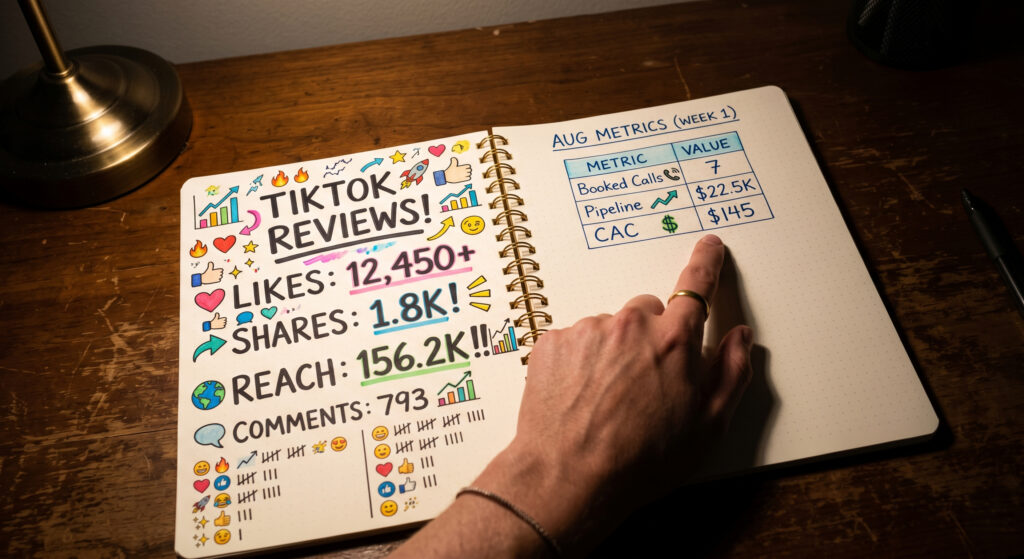
This is where many brands need better infrastructure. Social activity should connect to CRM data, campaign tracking, email nurture, and sales feedback. Otherwise, the team ends up debating content taste instead of revenue impact.
How Brands Can Use Viral Marketing Strategies Without Looking Desperate
The fastest way to lose credibility is to force a trend. Audiences can feel when a brand is trying too hard.
Use these principles:
- Move fast, but stay selective.
- Use humor that reflects real audience insight.
- Avoid trends that require too much explanation.
- Do not let viral formats replace strategic messaging.
- Pair high-reach content with high-intent follow-up.
The strongest Viral marketing strategies feel timely and commercially grounded. They create recognition first, then relevance, then action.

Create social campaigns that speak the language of your buyers.
FAQs
What makes a social media strategy revenue-focused?
A revenue-focused social media strategy connects content to buyer intent, lead quality, funnel movement, and sales outcomes rather than judging success only by views or engagement.
Should B2B brands use memes?
Yes, when the meme reflects a real audience truth and fits the brand’s voice. B2B buyers are still people, but the humor needs to support credibility rather than distract from it.
How often should brands follow social media trends?
Brands should track Social media trends consistently but act selectively. The right trend should help express a clear point of view, not simply fill the calendar.
How do memes fit into paid campaigns?
High-engagement memes or creator-style content can be tested organically, then expanded through paid media to reach more of the right audience and guide them toward deeper conversion assets.